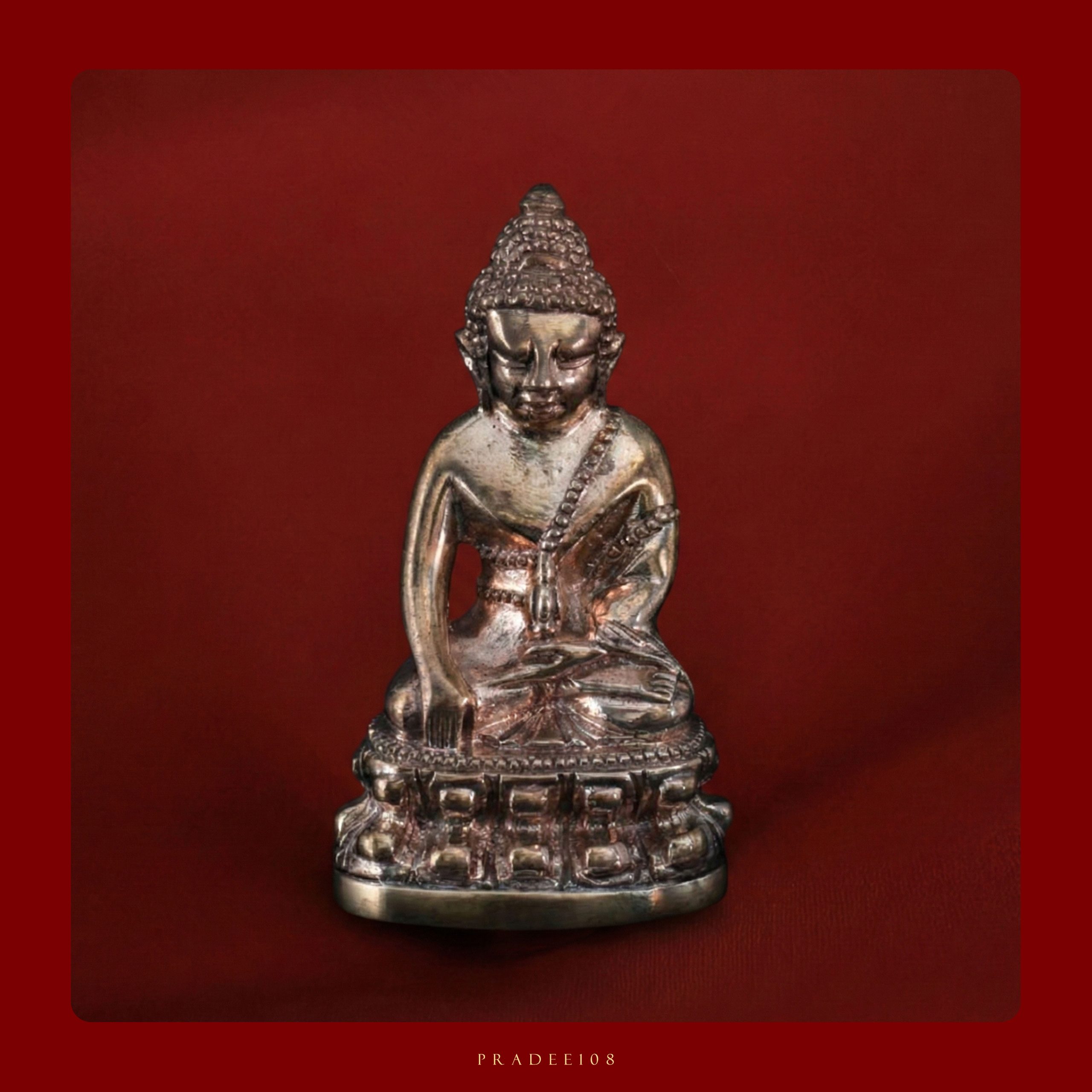



A. Lakuloth Horadhibadi
The manufacturer of amulets
A. Lakulothoardibadee emphasized the intention in arranging the formation of the image, auspicious timing, material components, and rituals in their entirety.
The principles of creating sacred objects
1. Intentions in creating
A. Lakulth Horadhibadi places importance on the purpose and intention of the creation first. Each occasion has a clear origin and meaning; it is not created simply because of popularity, but takes into account important occasions commemorating the festival and the appropriateness of the amulets in each generation.
2. Mold design
The design of the amulet has been carefully considered in terms of its meaning, symbols, and the beauty of the shape of the effigy, to ensure that the design aligns with the purpose of its creation and reflects the unique characteristics of each amulet.
3. Good timing
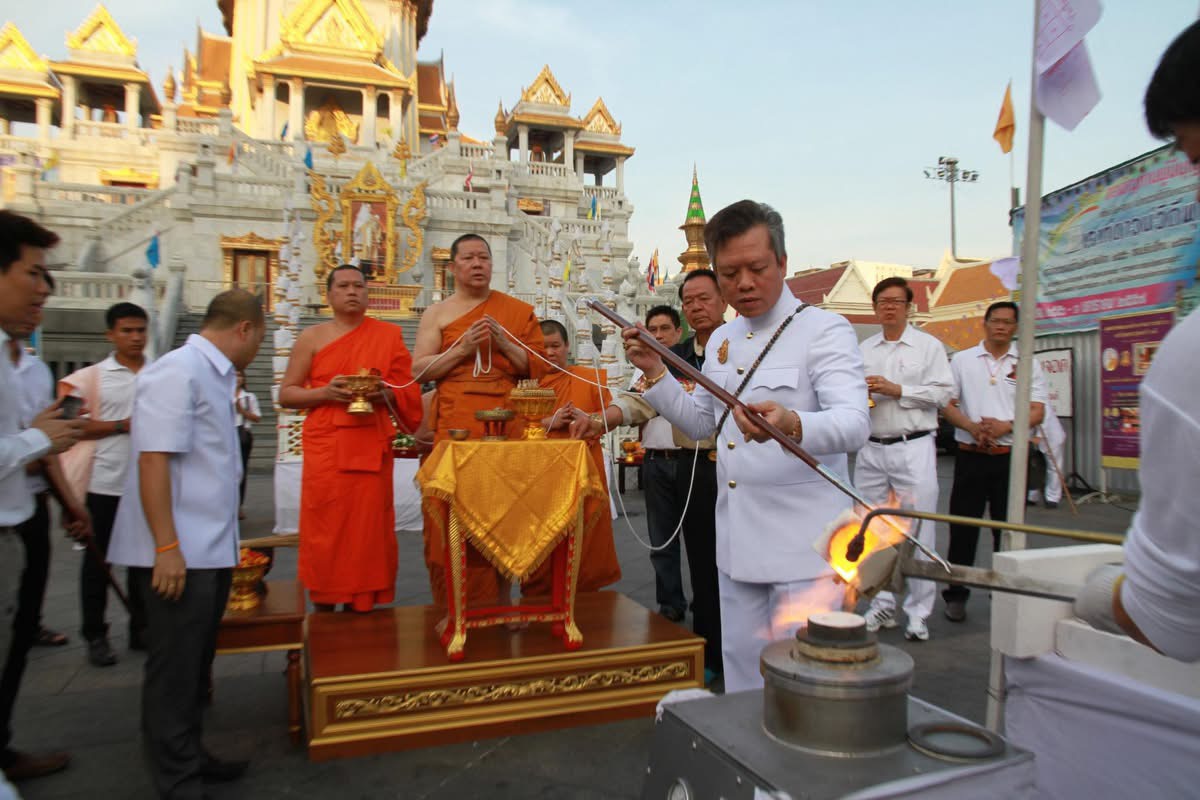
The determination of the day and time for the important steps of the construction process, such as metal smelting, casting, or ritual ceremonies, takes into account auspicious times according to astrological principles to ensure that each step is appropriate and auspicious according to the intent of the construction.
4. The material trigger
The materials used in the creation have been collected from various sources with significant meanings. These include materials from the casting of statues, amulets, gods and sacred objects, materials from important places, as well as materials obtained from Buddhist masters and individuals involved in the festival. These materials are not only material in nature but also reflect the origin, story, and involvement in the festival of the faithful.
5. The construction of the metal body
Many of the amulets created by A. Lakslok Hoaritibadee are made from precious metals according to ancient formulas, which involves combining many auspicious metals together. This requires meticulous attention to detail in terms of proportions, materials, and the smelting process.
This type of creation requires time, expertise, and costs for preparing the raw materials and metals. Especially in cases where precious metals or materials are mixed to create a ceremonial object according to the specified design.
6. Rituals and Meditations
Another important step is the ritual and mental prayer. The ceremony is conducted according to the format of each occasion, and the revered Buddhist monks are invited to participate in the mental prayer.
This approach reflects that the creation of religious artifacts is not solely concerned with the object itself, but places importance on the intention, origin, process of creation, and rituals from the very beginning until completion.
Raw materials and metal materials
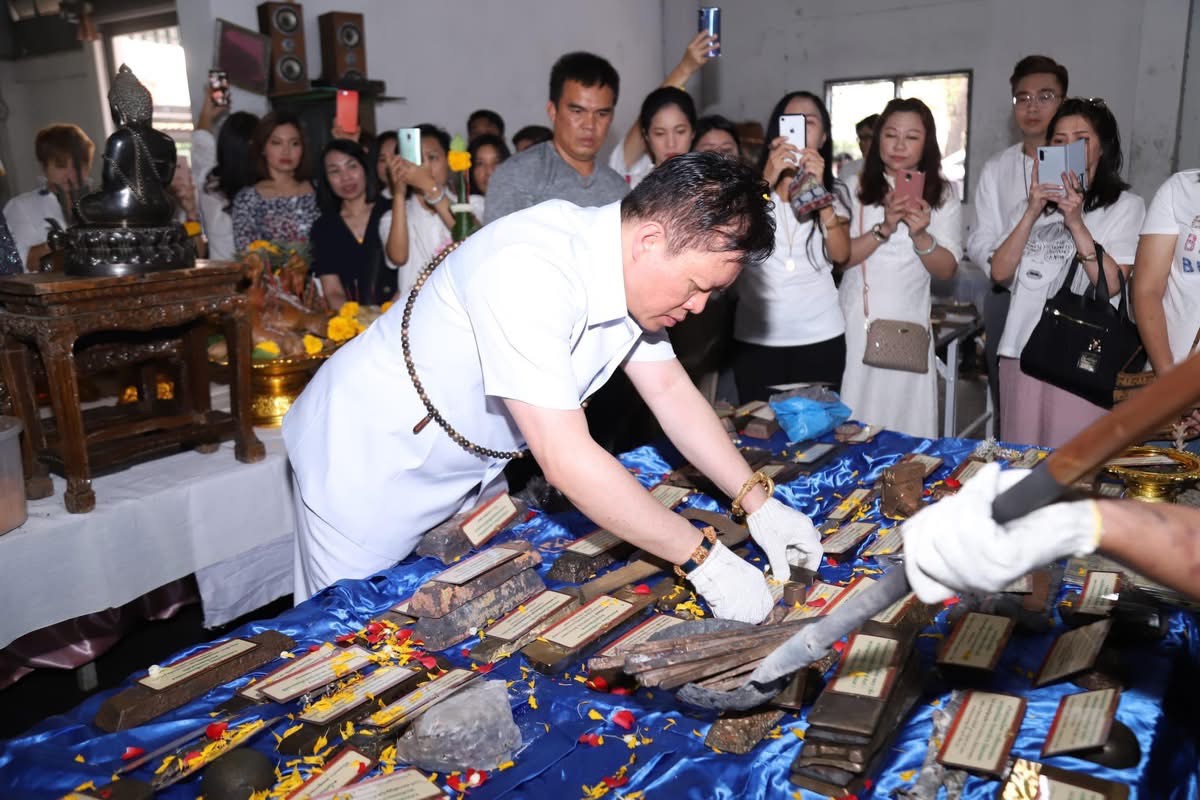
A. Lakulth Horadhibadi places great importance on the raw materials and precious metals used in the creation of each type of amulet. He selects raw materials that are of significant value from sources of great repute and that are in harmony with the intended purpose of the creation.
Regarding the precious metal material, it also reflects meticulousness in the process of creation, including the preparation of materials, metal mixing, and appropriate procedures to ensure that the created artifacts are complete in terms of form, value, and meaning.
Rituals and Meditations
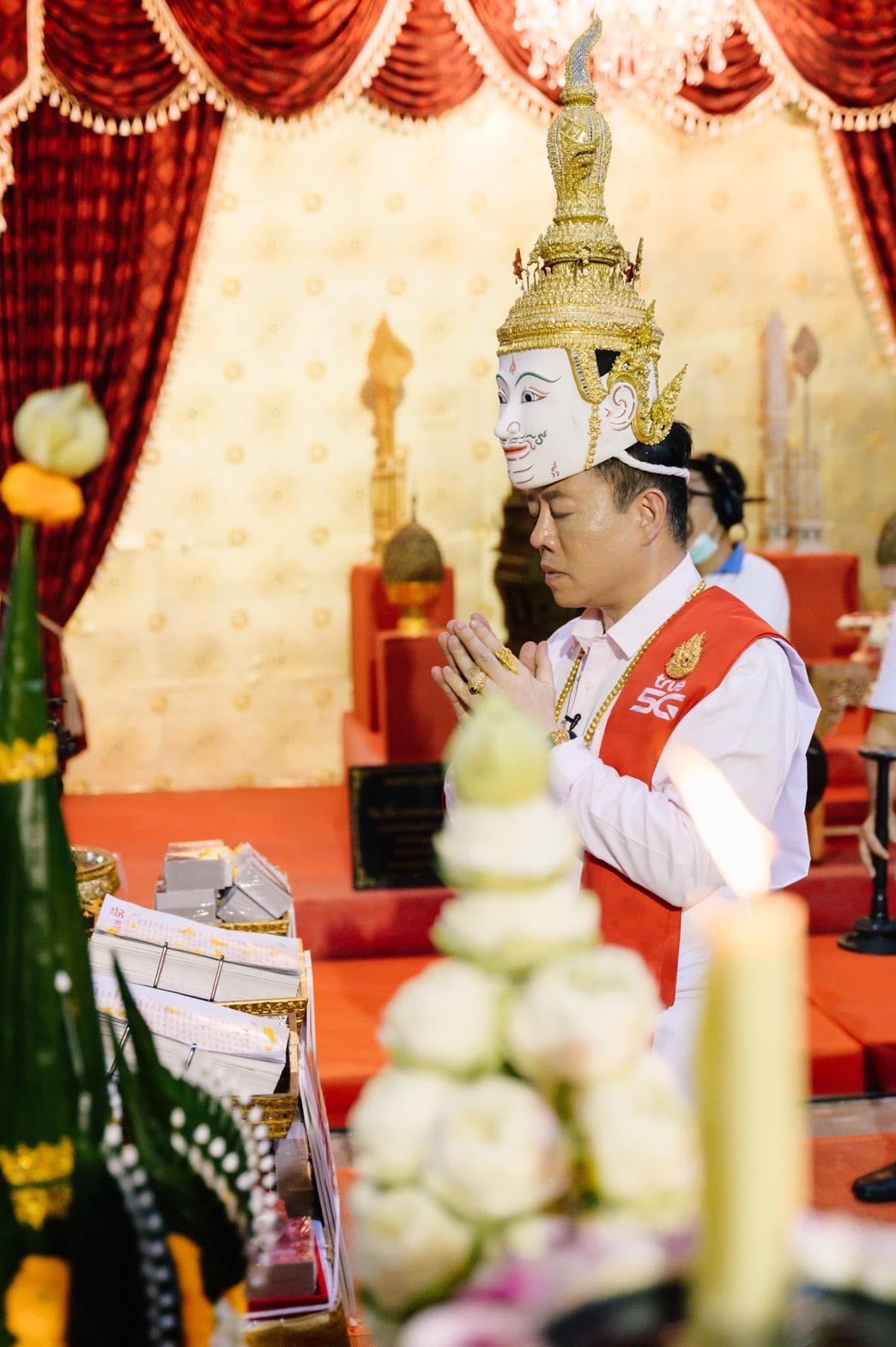
Another important step is A. Lakuloth Horadhibadi The priority is: Rituals and Meditations Each ceremony is conducted in full accordance with the purpose and intention of the creation, ensuring that each type of amulet is complete in terms of its form, meaning, and auspiciousness.
This ritual reflects the intention, respect for deities, sacred objects, teachers, and the meticulousness in every step of the creation process. It does not only emphasize the object itself, but also the atmosphere, intention, and appropriate mental concentration that are combined to ensure the devotee’s confidence in the origin and value of the amulet.
The reason why the 108 Good Buddhas chose the amulets in the lineage of A. Laklut Horathadibadee
Phra Dee 108 chose to open the offering of sacred items in the production line of A. Lakuloth Horadhibadi because he places great importance on the origin and details of the production process at every step, from the intention behind the creation, the shape of the statue, auspicious times, the material components, and the rituals and mental prayer.
Throughout the years, A. Kaew Nampaeng has continuously participated in charitable activities and had opportunities to be involved in this type of auspicious works and artifacts. Therefore, he has chosen to only present auspicious artifacts that have clear information, a clear source, and can explain the details to the devotees in a straightforward manner.
For a true 108-Buddha statue, the value of the amulet lies not only in its popularity but also in the intention, the origin, the process of creation, and the mindful faith.
Choose to view the amulets from the "Phra Dee 108" collection
Phra Dee 108 selects amulets with their origins, details of the creation process, and verifiable information, so that devotees can choose with understanding and confidence.
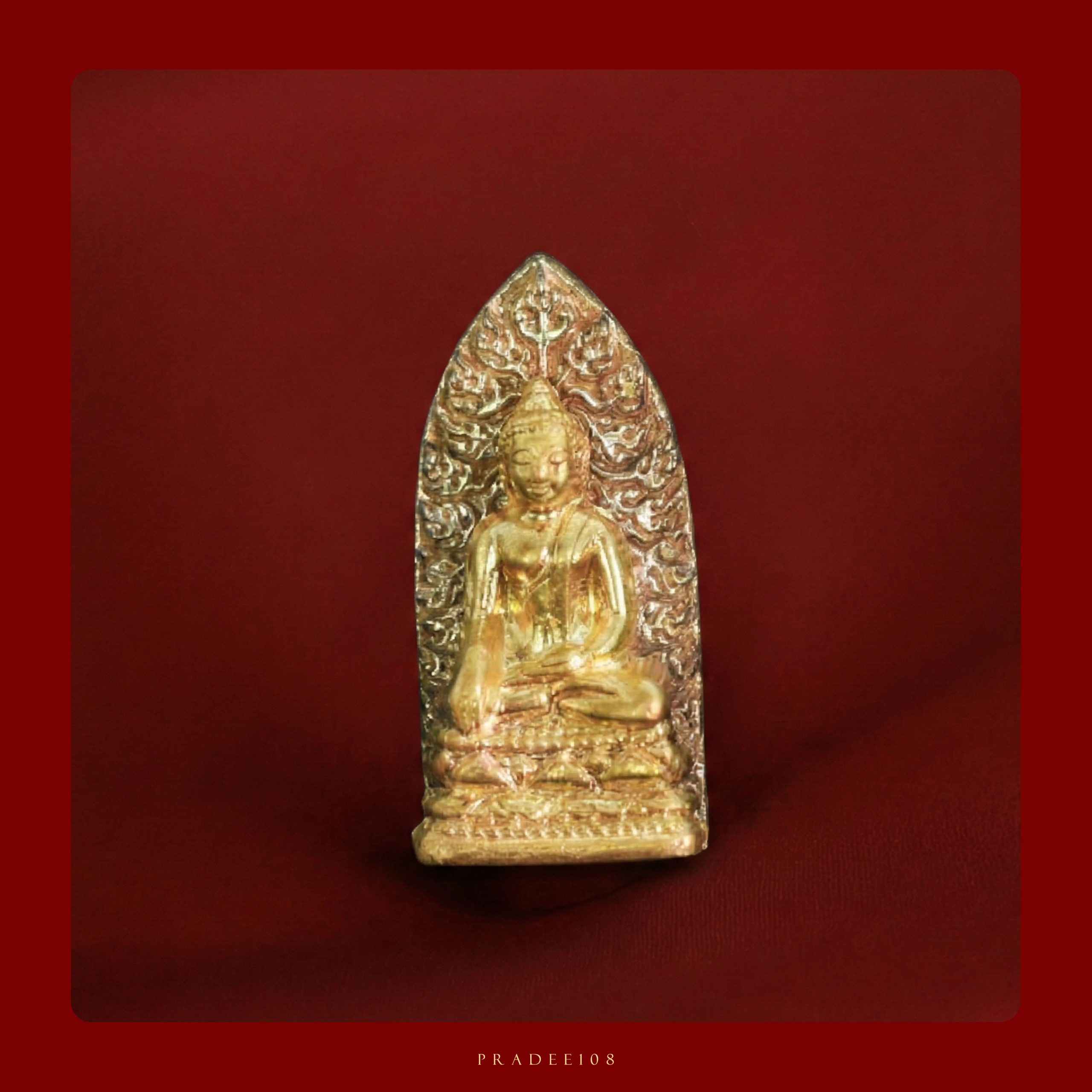
Phra Rod Luang Chirubunchai
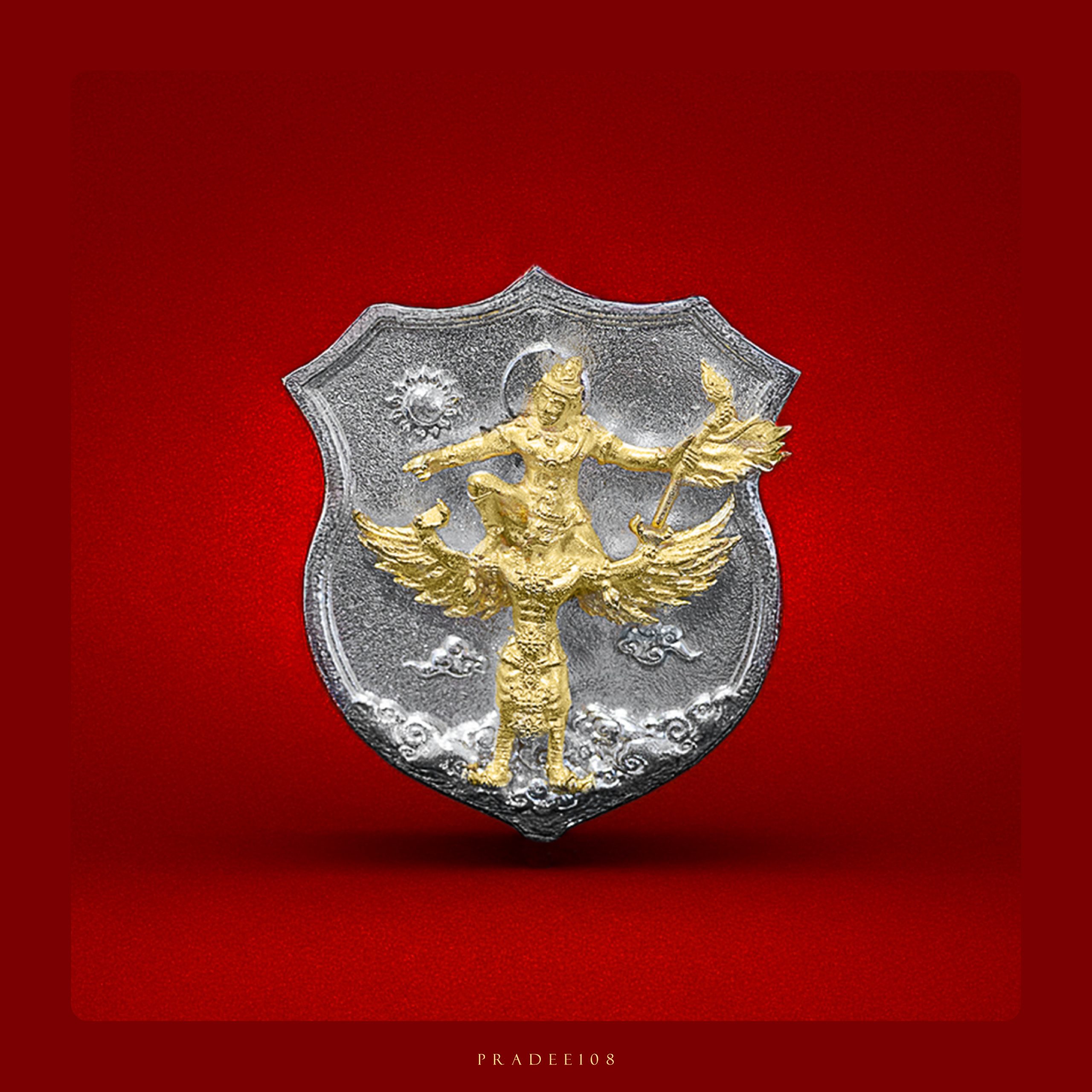
Lord Rahu with a Garuda